Tips for Creating Welcoming Outdoor Spaces with Cafe Barriers
Outdoor seating plays a growing role in how pubs, cafés, and restaurants...
Read MoreOn a busy high street, hospitality venues compete for attention long before customers read a menu or step inside. People decide quickly where to stop, often based on what looks active, welcoming, and clearly trading. Visual signals from the street shape that decision.
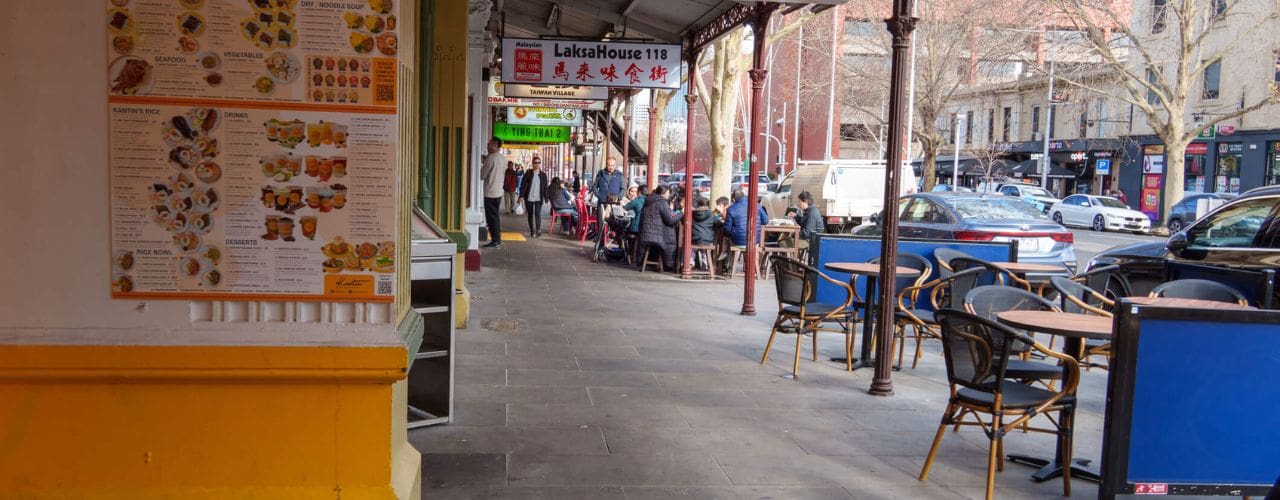
Shop awnings play a direct role in how cafés, pubs, and restaurants are perceived from outside. They frame the frontage, define the entrance, and help communicate that a venue is open and prepared for customers. For hospitality businesses that rely on passing footfall, that clarity matters.
This article looks at how awnings influence customer behaviour, support operational goals, and contribute to long term commercial value for hospitality venues.
Most hospitality visits begin with a choice made on the pavement. People look for signs that a venue is open, comfortable, and worth their time. When those signals are unclear, many walk past without stopping.
An awning creates a visible marker above eye level that draws attention to the frontage. It highlights the entrance and windows, which helps people orient themselves quickly. This reduces hesitation and increases the likelihood that passers by pause, look inside, or approach the door.
Over time, a consistent awning presence helps establish familiarity. Regular foot traffic begins to associate the frontage with opening hours and activity, which supports repeat visits.
Hospitality environments place different demands on external fittings compared to retail. Venues need solutions that support seating, service flow, and customer comfort across changing conditions.
Awnings help extend usable space by offering shade and light weather protection. This makes outdoor seating more practical across more days of the year, which directly supports revenue. Even a small increase in covers can affect daily takings, particularly during peak periods.
From an operational perspective, awnings also help manage internal conditions. By reducing glare and solar gain through windows, they support a more stable indoor environment, which benefits both customers and staff.
Customers often judge a venue before any interaction takes place. A frontage that looks considered and well maintained creates confidence in the experience inside.
An awning contributes to that impression by showing intent and investment. It communicates that the business has planned how it presents itself to the public. This matters for independent venues competing alongside national chains, where visual consistency often influences trust.
Brand colours and logos can be incorporated into the awning design in a controlled way. This reinforces recognition without overwhelming the space and helps the venue stand out without relying on temporary signage.
Comfort influences behaviour. When customers feel protected from glare or light rain, they stay longer and order more. This applies across daytime and evening trading.
Awnings help create defined seating zones that feel purposeful rather than improvised. People are more likely to choose outdoor tables that feel sheltered and intentional, even during marginal weather conditions.
This improved usability supports better table turnover planning and helps venues make fuller use of available space across more trading hours.
Exploring practical next step
If your venue depends on footfall and outdoor seating, improving how your frontage works day to day can support stronger trading outcomes. Indigo Shading works with hospitality businesses to design awning solutions that suit operational needs, site conditions, and long-term use.
Hospitality businesses operate in a changing environment. Shifts in weather patterns, customer expectations, and local competition all affect how space gets used.
Awnings provide flexibility without structural change. Retractable systems allow venues to adapt quickly to conditions, while fixed designs provide a consistent visual presence. Motorised options reduce staff involvement, which supports smoother service during busy periods.
Looking ahead, awnings can also support future layout changes or expanded seating areas. This makes them a practical investment for venues planning to grow or adapt over time.
Front of house teams work more effectively when the space around them supports clear movement and predictable conditions. External layout affects service speed, table management, and how confidently staff guide customers to available seating. When outdoor areas feel exposed or inconsistent, teams often hesitate to use them fully.
Awnings help create defined zones that staff can rely on. Covered seating becomes part of standard service planning rather than an occasional option. This improves consistency during busy periods and reduces last minute adjustments when conditions change.
From a management perspective, this stability supports better rota planning and capacity forecasting. Teams know which tables remain usable across most conditions, which helps control wait times and manage customer expectations. It also reduces pressure on indoor space during peak hours.
Over time, these operational benefits support training and retention. Staff learn a layout that stays consistent, which shortens onboarding and improves confidence during service. Clear external structure also reduces customer uncertainty about where they can sit or wait, allowing staff to focus on service delivery.
Choosing the right awning requires a clear understanding of how the space operates. Projection, fixing points, wind exposure, and planning constraints all affect performance and longevity.
Hospitality venues benefit from solutions designed for frequent use. Durable materials, reliable mechanisms, and ease of maintenance all contribute to long term value. Poorly specified systems often create operational friction rather than solving problems.
Working with specialists who understand hospitality environments helps avoid mismatches between design intent and daily reality.
Awnings contribute to revenue in connected ways. They improve visibility, increase usable seating space, and support customer comfort. These factors work together and influence trading outcomes across the year.
Because awnings serve both marketing and operational purposes, they often deliver value beyond their initial cost. With proper specification and installation, they remain part of the business infrastructure for many years.
For hospitality venues working within tight margins, investments that support consistent trading conditions carry clear commercial logic.
Customers increasingly expect hospitality spaces to feel considered and comfortable across a wide range of conditions. Venues that plan for this tend to perform more consistently over time.
Awnings support this shift by helping venues present a stable, welcoming frontage throughout the year. They signal readiness and professionalism, which influences customer confidence before any service interaction occurs.
As competition on the high street continues, small improvements in visibility and comfort can influence where people choose to stop.
If you are reviewing how your venue looks and functions from the street, Indigo Shading can advise on awning solutions built for hospitality use. A well planned awning can support future trading, improve space use, and strengthen how your business presents itself to passing customers. Get a quote today to explore options suited to your site and operational needs.
Your ultimate resource for expert insights, industry trends, and practical tips on outdoor shading solutions.
Outdoor seating plays a growing role in how pubs, cafés, and restaurants...
Read More
Outdoor dining now sits at the centre of how pubs, cafés and...
Read More
Outdoor dining is now a permanent part of how hospitality businesses operate...
Read More